
Cash Crops

Sky-rocketing fruit and veggie prices and technology combine to make it one of the best times to turn your gardeing skills into a money making opportunity, here's why.
A substantial part of the cost of fruit and veggies at the local shops is the transport and admin costs (including check-out staff), particularly when there is a wholesalers in the middle. Now The Farmers Lot can help you turn your backyard greener, by selling your efforts online.
Our handy features for growers
- Use our vendor map to see who selling in your neighbourhood, now just about any home can be the local fuit and veg!
- You can require customers pay in advance, that way you know they are genuine and you don't have large amounts of money lying around!
- Want to deliver? Yes you can with our live shipping rates from Australia Post! Please see the section on "perishable items" on their packaging guidance page for current policies.
Some things to think about
- You must be mindful that some areas may have quarentine restrictions, if you deliver then it is your responsibility, you can find a national list at https://interstatequarantine.org.au/travellers/quarantine-zones/
- If you are selling your product by weight then your scales may need to be certified (search the web for weight & measures and your State)
- Food safety is your reponsibility, be particularly careful if you are using any form of chemicals (including fertilizers and pesticides). Read the instuctions completely and carefuly, keeping a keen eye out for "withholding" periods, "do not consume" and similar
- If you are going out and meeting people or having customers come to you, please carefully consider your and your families safety.
Tax time - keep your business details up to date
The Farmers Lot is required to report on business that earn over $12,000 a year. Please ensure your details with us are current, if you need help then please message us from your vendor panel.
Updating ASIC with your business and personal details
If you are a sole trader or in a partnership t ASIC Connect is the place to renew your business name and keep your office details up to date.
To change details for company office holders e.g. the Director, see below.
Updating ASIC with you company details
Need to update an ASIC form to update office holders, or issue shares then head on down to Company officeholders
Your company's annual statement will be sent to electronically via the online lodgement inbox. If you have an ASIC registered agent appointed, your company's annual statement will be forwarded to your agent.
More information about Company annual statements can be found at their site.
You can ask ASIC a question by following this link http://www.asic.gov.au/question and you can telephone 1300 300 630.
Some tips to help keep your information safe: Use a trusted internet browser, look for a padlock in your browser address bar and look for .gov.au on the end the domain name indicates it is an Australian Agovernment site. A VPN *virtual private network) can offer further protection.
Tips for buying and selling livestock and meat
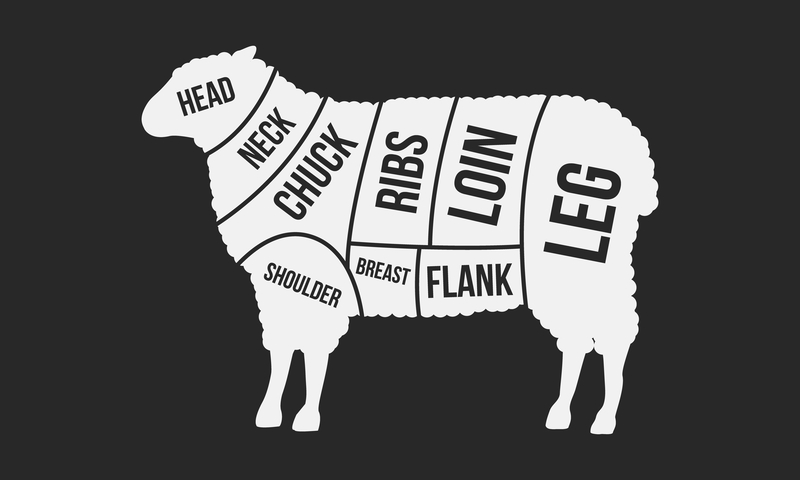
The transport and processing of livestock is regulated throughout Australia, as is the transport and sale of fresh meat. The provisions are pretty much aligned from state to state, but ultimately each state has it's own rules. Here we aim to give you a brief overview as a starting point for your research.
Property Identification Code
A PIC is required for Cattle, sheep, goats, pigs, alpacas, llamas, camels and deer. In some circumstances one will also be required for horses and poultry e.g. in South Australia commercial poultry egg or meat producer who are required to have food safety accreditation must have a PIC.
A single parcel of land though multiple titles may apply to one PIC when the land is adjoining.
You are also likely to require a National Livestock Information System (NLIS) account to record movement of stock on and off your proprty.
Depending on the type of livestock you will attach a tag with you PIC and/or an individual number on it.
We descibe how we use PIC's on our Selling livestock on The Farmers Lot page.
Transport
Animal welfare is always a consideration in farming, and transport is no different. You can find various codes and standards, Animal welfare legislation sits over the top of this.
Livestock Production Assurance National Vendor Declaration is required to acompany the transport of livestock and all reputable saleyards will insist upon it. You can order your LPA NVD booklet by contacting Meat & Livestock Australia (MLA) on 1800 683 111 but many find an electronic NVD (eNVD) convenient.
The transport of fresh meat is also controlled.
Processing
You can dispatch, process and consume your own livestock on your own property, however fresh meat produced in this way can not be sold and can not leave your property. Mobile butchers may operate in your area, however this does not mean that the meat can leave your property.
When it comes to commercial activites, controls must be in place at each stage of animal processing to mitigate risk, accreditation is required and regulated state to state. Someone qualified to slaughter an animal may not be qualified to process the carcass and neither of these people are necessarily accredited for the sale of meat.
Agistment (renting out land for livestock)
If you have a few acre or more of spare land you can considering renting it out to horse owners and farmers. Alternatively if you are ready to raise livestock and you don't have land then agisting on someone elses land might be for you.
Our agistment category is the place for stables for livestock.
Here is something to think about!
Agistment can be full service or as basic as land and water, like any agreement you should put it in writing, realestate agents and lawyers can help here. Before you go you might want to give some thought to how hands on you want to be and what services will you provide (or need)?
- What animals will you cater for?
- Do you offer sheds, stables, exercise tracks?
- What will be the access arrangements?
- Do you have facilities loading and unloading the livestock?
- Do your require the livestock to be vaccinated?
- What the proceedures for sick and injured animals? and who is reponsible?
- Who supplies/dispenses the feed and water?
- Who is responbile for fence, gate, shelter, water facility maintenance?
Further Information
Agistment Guidelines New South Wales Department of Primary Industries
Get a Property Identification Code Northern Territory Government
Agistment Of Livestock Procedure Queensland Government
Agistment Guidelines South Australia Government
Identifying Sheep and Goats for Agistment Tasmanian Government
Agistment For Horses Victorian Government
Guidelines for small-land holders Western Australia Government