
Hatching Program for your school and OSCH teaching outcomes

14/03/2025
by Tristan Cook
Teacher using egg hatching to teach class basic maths

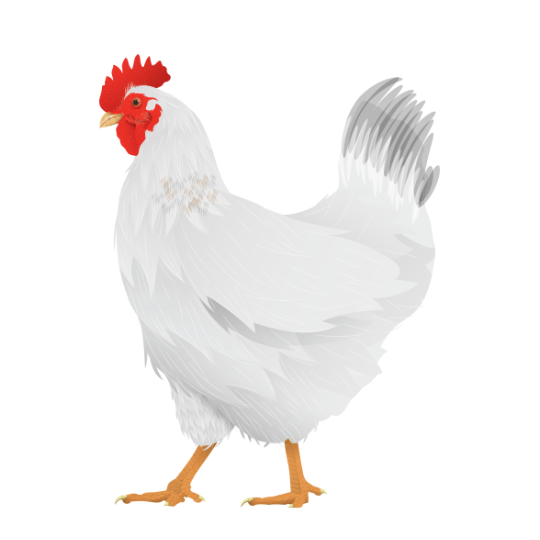
Have you thought about using a chicken egg hatching experience for your school or OSCH? Did you know that if can be used to support a number of teaching syllabus outcomes, at all year levels? Below is a table with a suggestion for every year level.

You are running out of time to book a hatching experience for this easter. At Easter you can use a incubator to talk about subjects such as reincarnation or the life cycle more generally. We still have a few opportunities North of Adelaide for easter, call 0447 726 346 to discuss or visit our farm experiences category.

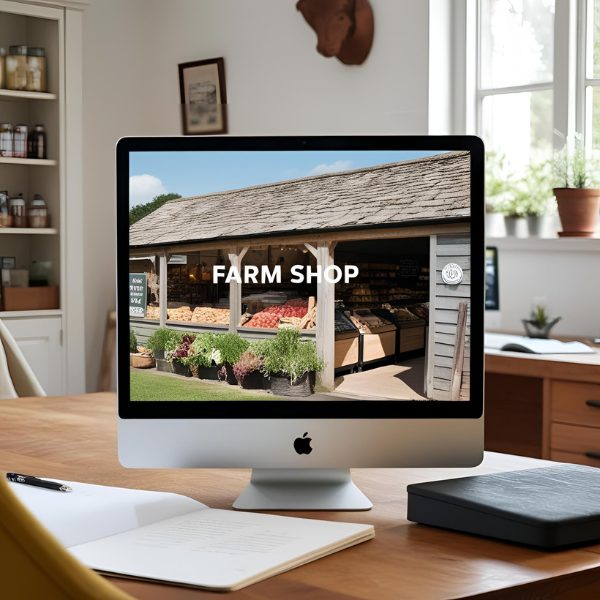
You can use our free online farm shop to list hatched chicks and sell day old chicks to offset some of the program cost. 

Our online farm shop can be used to support an accounting exercise, teaching real life accounting skills. Teaching opportunities are as broad as your imagination and may be as complex as designing a functioning incubator or creating a commercial facility, business skills or small business workshop.

 Hatching Program Teaching Outcomes

Year Level SA Curriculum Syllabus Reference Teaching Outcome / Activity Example
Foundation/Prep (Year 1) Early Years Learning Framework; Science (Living Things) • Observe eggs in an incubator and discuss the basics of life cycles.
• Use drawing or simple storytelling to express what they see.
Year 2 English (Descriptive Writing); Science (Life Processes); Mathematics (Counting & Patterns) • Record daily observations (e.g. egg appearance, signs of cracking).
• Count the number of eggs/chicks and create a simple chart.
Year 3 English (Narrative Writing); Science (Biological Life Cycles) • Maintain a written observation journal describing the hatching process.
• Write a short narrative recounting the “story” of a chick’s emergence.
Year 4 Mathematics (Data Handling); Science (Scientific Inquiry) • Measure chick growth (e.g. wing span, weight) and plot the data on a graph.
• Discuss and predict changes over time as part of a science investigation.
Year 5 Digital Technologies; Science (Organisms & Life Cycles); English (Reporting) • Create a digital slideshow or blog post that documents the entire hatching process with photos and captions.
• Incorporate data and simple research skills to report findings.
Year 6 Humanities & Social Sciences (Ethics, Sustainability); Science (Life Processes) • Engage in group discussions or debates about animal welfare and ethical farming practices.
• Explore how sustainable practices impact food production and local environments.
Years 7–8 (Secondary) Science (Biological Sciences, Genetics); English (Report Writing); Mathematics (Statistics) • Conduct a research project on chicken biology and genetics, using data collected during hatching.
• Present findings in a written report or presentation, integrating basic statistical analysis.
Years 9–10 (Secondary) Science (Genetics, Physiology); Digital Technologies (Data Analysis) • Design experiments to test how different incubation conditions (e.g. temperature or humidity) affect hatching success.
• Analyze data and prepare a scientific report using digital tools.
Years 11–12 (Secondary) Biology (Animal Physiology, Genetics); Economics (Agricultural Production); Environmental Studies • Investigate the wider impact of poultry farming on sustainability and food security.
• Develop a comprehensive report or presentation examining ethical, economic, and environmental considerations of poultry production.

​Starting Your Online Farm Shop: Case Study

10/03/2025
by Tristan Cook

This is an introduction to starting a farm shop using a case study, but what is a farm shop? A farm shop in our case is a farmer selling any produce they make, from jam to livestock. Our farm shop operates on a online farmers market, that is a lot of individual farmers, each with their own shop all selling on the one site, just like a traditional farmers markets where each farmer has their own stall!

Whether you’re a seasoned farmer looking to extend your reach or a budding entrepreneur passionate about fresh, local produce, this series will guide you step-by-step through the journey of setting up your digital market stall.

What Is an Online Farm Shop?

An online farm shop is much like your traditional market stall, but without the physical boundaries. It’s a digital storefront where you can showcase and sell farm-fresh produce, livestock, artisan goods, or any agricultural products you have to offer. With an online presence, you break free from the constraints of geography and time, allowing customers to browse, learn about, and purchase your products at their convenience.

The Power of an Online Farmers Market

Imagine a vibrant marketplace where each vendor brings a unique piece of the countryside directly to consumers’ screens. An online farmers market is exactly that—a virtual gathering of various sellers, each with their own niche, working together to create a rich, diverse shopping experience. By becoming part of this digital ecosystem, you not only benefit from increased exposure and shared customer trust but also tap into a community dedicated to supporting local agriculture.

Leveraging The Farmers Lot

In this series, we’ll use The Farmers Lot as a case study to explore practical strategies and real-world examples. This platform serves as an excellent model for how an online farm shop can operate within a broader online farmers market. Here’s what you can expect from the series:

  • Step-by-Step Guides: Detailed instructions on setting up your online market stall, from initial planning and product listings to inventory management and secure payment solutions.
  • Success Stories: Real-life examples and case studies from vendors on The Farmers Lot, showcasing how they’ve built thriving online businesses.
  • Marketing Strategies: Tips and tricks on how to promote your online farm shop effectively, engage with your audience, and build lasting customer relationships.
  • Operational Insights: Best practices for managing logistics, fulfilling orders, and ensuring a smooth customer experience that mirrors the friendly, community-driven feel of a local farmers market.

What’s Next?

In the upcoming articles, we will delve deeper into each aspect of setting up your online farm shop. From crafting engaging product descriptions and optimizing your digital storefront to managing day-to-day operations and leveraging digital marketing channels, this series is designed to empower you with the knowledge and tools you need to succeed.

Stay tuned for our next post where we’ll explore the foundational steps of creating a business plan and selecting the right platform features to kickstart your journey. Whether you’re looking to sell organic vegetables, handcrafted jams, or artisanal cheeses, your online farm shop is the gateway to a broader audience and greater success.

Welcome aboard, and let’s cultivate a thriving online marketplace together!

This series is crafted to inspire and guide you through the process of transforming traditional farming values into a modern, digitally-driven success story using The Farmers Lot as a dynamic case study.

​ The Farmers Lot: The Real Online Farmers Market

18/12/2024
by Tristan Cook
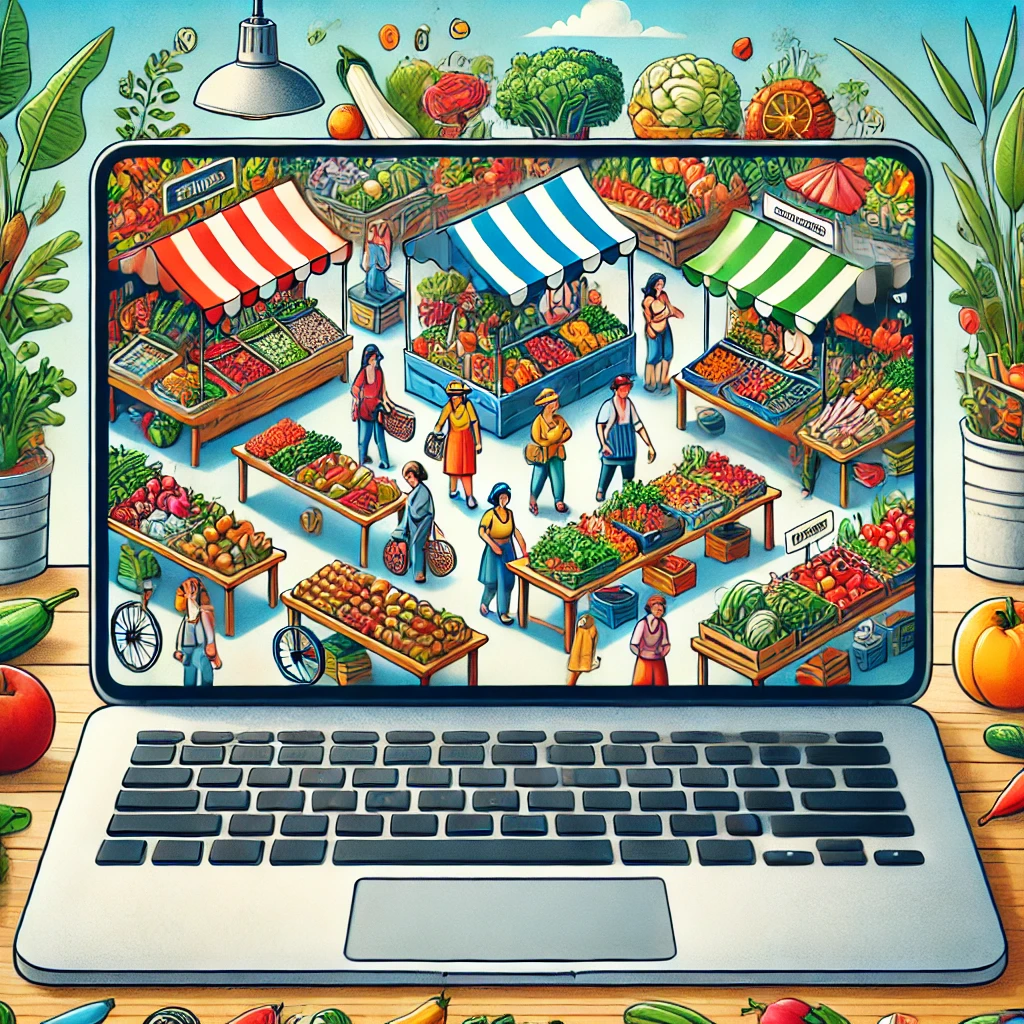
A busy online farmers market with lots of independent sellers

When people think of a farmers market, they picture vibrant stalls, bustling activity, and fresh, locally sourced goods. The Farmers Lot (TFL) is a true online farmers marked. Many websites that claim to be "online farmers markets" are single-operator stores, more akin to a road-side stall. The Farmers Lot is a true multi-vendor marketplace with independently operated market stalls —a modern, online representation of a traditional farmers market, with significant benefits for farmers and customers alike.

What Makes The Farmers Lot a True Online Farmers Market?

A traditional farmers market is characterized by multiple independent sellers coming together in one space to offer their goods. Each vendor manages their own stall, contributing to the diversity and community feel of the market.

Similarly, The Farmers Lot operates as a digital farmers market, hosting a variety of independent vendors in one online space. Each vendor on TFL maintains their own "stall" (or shop) within the marketplace, offering their unique products directly to customers. This structure mirrors the core essence of traditional farmers markets while leveraging the advantages of a virtual environment.

In contrast, many websites that call themselves “online farmers markets” are simply single operators acting as a middleman. These sites operate more like an individual stall in a market, sourcing and selling products from a single perspective. While they may offer quality goods, they lack the diversity and authenticity of a true marketplace like The Farmers Lot.

Comparing online farmers Markets to Traditional Farmers Market

1. Vendor Diversity

  • Traditional Farmers Market: Offers a variety of vendors, each selling their own goods.
  • A True online Farmers Market e.g. The Farmers Lot: Hosts multiple vendors from across the country, ensuring a wide range of fresh produce, farming supplies, and services—all in one place. Customers and vendors can communicate freely with each other.
  • Other (so called) online farmers market: Single operator who controlls all pricing and goods selection or offering a narrow range of goods e.g. bulk meat sales with all communications channeled through the website operator. e.g. https://onlinefarmersmarket.co... has a small delivery area in a single state and no idependent vendors, despite the domain name indicating they are a farmers market, are they really?

2. Accessibility

  • Traditional Farmers Market: Limited to a specific location and operating hours, making it difficult for customers outside the region or with busy schedules to attend.
  • The Farmers Lot: Open 24/7, accessible from anywhere with an internet connection. Customers can shop at their convenience, whether they live in rural Australia or a bustling city.

3. Weather and Seasonal Challenges

  • Traditional Farmers Market: Can be affected by bad weather, reducing foot traffic and impacting vendors’ sales. Seasonal availability may also limit product offerings.
  • The Farmers Lot: Completely weatherproof! Vendors can list their products year-round, and customers can shop without worrying about rain or extreme heat.

4. Capacity and Reach

  • Traditional Farmers Market: Space is limited, meaning only a certain number of vendors and customers can participate.
  • The Farmers Lot: Offers unlimited virtual space, enabling more vendors to join and allowing customers to browse an extensive selection of products from across the country.

5. Convenience for Customers

  • Traditional Farmers Market: Requires customers to travel, potentially carrying heavy goods home.
  • The Farmers Lot: Provides a seamless shopping experience, with the convenience of home delivery. Customers can browse, compare, and purchase goods in just a few clicks.

6. Opportunities for Vendors

  • Traditional Farmers Market: Vendors are limited to their local audience and face costs like stall fees and transport.
  • The Farmers Lot: Vendors can reach a nationwide audience with minimal overhead, enabling them to grow their businesses far beyond their local communities.

The Advantages of The Farmers Lot

The Farmers Lot is more than just a digital marketplace; it’s a community. By supporting local producers and providing them with a platform to thrive, TFL bridges the gap between customers and independent farmers.

  • Support for Local Producers: Vendors maintain control over their listings, pricing, and branding, preserving their independence.
  • Transparency: Customers know exactly who they’re buying from, just like at a traditional market. You can communicate directly with the seller!
  • Diverse Offerings: From fresh produce to farming tools, livestock to services, TFL encompasses every aspect of farming, making it a one-stop-shop for all things agriculture.
  • Sustainability: By connecting producers directly with customers, TFL helps reduce waste and supports more sustainable farming practices.

The Farmers Lot: A Step Ahead

While traditional farmers markets will always hold a special place in our hearts for their community spirit and direct connection to producers, The Farmers Lot takes those principles and amplifies them in a way that’s accessible to everyone, everywhere, at any time.

By embracing the advantages of technology while staying true to the values of independence, diversity, and community, The Farmers Lot offers a marketplace where the best of both worlds meet. It's not just an online farmers market; it’s a real farmers market, built for the modern era.

Explore the difference for yourself—visit The Farmers Lot today and see how we’re changing the way farming connects with the world.

Grow Your Own Veggies and Trade on The Farmers Lot: Reaping Health, Wealth, and Environmental Benefits

25/09/2024
by Tristan Cook

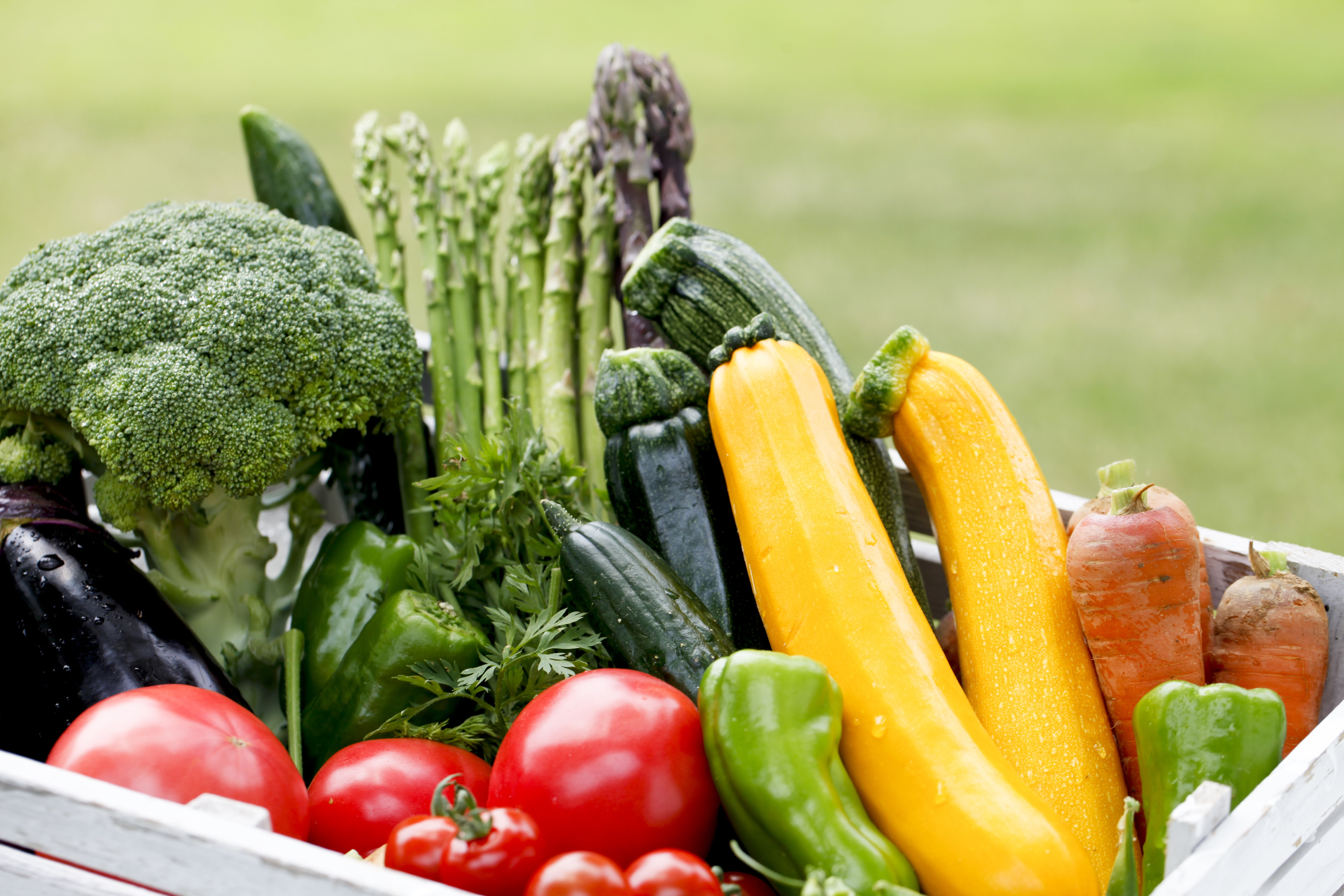
Have you ever dreamed of picking fresh, home-grown veggies right from your backyard or balcony? Growing your own produce is not only a rewarding experience, but it also comes with a range of benefits—from improving your health to saving money. Even better, your surplus harvest can become an opportunity to trade or sell on The Farmers Lot marketplace, connecting you with others in the farming and gardening community.

The Benefits of Growing Your Own Veggies

1. Health and Wellness When you grow your own veggies, you control exactly what goes into your food. By avoiding harmful pesticides or synthetic fertilizers, you ensure that your produce is fresher, healthier, and more nutritious. Home gardening also offers a therapeutic experience—tending to plants and getting outside reduces stress, boosts mental well-being, and increases physical activity.

2. Cost Efficiency Over Time While setting up a garden may involve some upfront costs—like buying compost, containers, or seeds—these are outweighed by the long-term savings. Vegetables such as tomatoes, lettuce, and herbs can provide multiple harvests throughout the season, saving you trips to the supermarket. Plus, every tomato picked from your own garden avoids hidden supermarket costs like transportation, packaging, and industrial farming practices.

3. Self-Sufficiency There’s something deeply satisfying about reducing your reliance on grocery stores. By growing your own food, you have a steady supply of fresh produce, rain or shine. Not only are you saving money, but you’re also avoiding the unpredictability of supply chains. Additionally, you're contributing to a more sustainable food system by reducing your environmental footprint.

4. Environmental Benefits Home gardening is kinder to the planet. By growing your own vegetables, you reduce the carbon emissions associated with transporting produce across vast distances, and you cut down on the waste that comes from excessive packaging. On top of that, your garden can become an oasis for local pollinators, helping to support biodiversity.

Overcoming Challenges: Space, Time, and Effort

Despite these benefits, there are a few challenges to consider when growing your own veggies:

  • Time Commitment: Gardening takes time and attention. From planting to watering to harvesting, each step requires patience and effort. But for many, this hands-on connection with the soil can be an enjoyable and meditative process.
  • Initial Costs: Starting a garden may involve buying supplies like compost or containers. However, keep in mind that many of these are one-time purchases, and the cost can be reduced by reusing materials like old containers for planters.
  • Space Limitations: Not everyone has a backyard, but even a small balcony can become a garden with container planting. Herbs, tomatoes, and capsicums are great options for small spaces and can be grown in pots or hanging baskets.

Choosing the Right Crops

When you’re tight on space, it’s important to select crops that provide the best yield for the space you have. Here are a few suggestions:

For Small Spaces:

  • Tomatoes: Cherry tomato varieties are compact and produce a high yield.
  • Lettuce: Grows fast and can be harvested repeatedly.
  • Herbs (Thyme, Sage, Parsley): Perennial herbs that thrive in small containers and provide flavor year-round.
  • Capsicums and Eggplants: These compact plants grow well in pots and produce bountiful harvests.

For Larger Spaces:

  • Silverbeet: Provides a constant supply throughout the year.
  • Root Vegetables (Potatoes, Carrots): Great for large garden beds, requiring more soil depth and time.
  • Pumpkins: Although they take up more room, pumpkins provide a large yield and store well.

The Economic Benefits

Though growing your own vegetables may not eliminate your grocery bill entirely, the benefits go beyond the monetary value. Supermarket produce comes with hidden costs—packaging, transport, and the large-scale agricultural inputs needed to grow them. By contrast, home-grown produce offers fresh, nutritious food with additional intangible benefits like physical and mental well-being, and the joy of knowing exactly where your food comes from.

Trade and Sell on The Farmers Lot

Do you often find yourself with more produce than you can eat? That’s where The Farmers Lot comes in. Our marketplace offers the perfect platform for home gardeners to trade, share, or sell surplus veggies. Whether it’s trading zucchinis for fresh eggs or selling baskets of herbs and tomatoes, you can connect with local buyers and sellers, contributing to a thriving community of like-minded growers.

Selling your excess produce also gives you the opportunity to earn extra income and support a sustainable, local economy. Plus, by sharing your bounty with others, you’ll help reduce food waste, spread the joy of fresh food, and foster strong community connections.

Conclusion

Growing your own veggies is not just about saving money or cutting down on trips to the supermarket. It’s about improving your health, contributing to a more sustainable environment, and connecting with others. Whether you’re gardening for pleasure or profit, The Farmers Lot marketplace is the perfect place to share your harvest, swap your veggies, or sell your surplus.

Start growing, start sharing, and watch your garden—and community—thrive

Harvesting Wild Bees in Australia

01/09/2024
by Tristan Cook

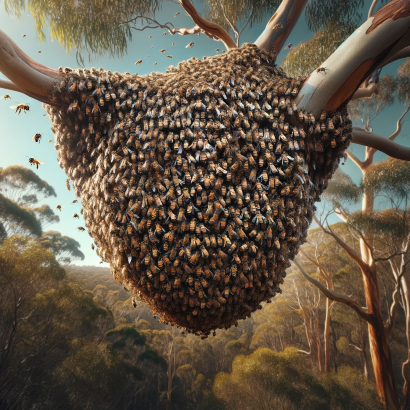
Spring is here, how to start a behive

Wild bee harvesting in Australia is a delicate and responsible task that contributes significantly to the preservation of our environment and the promotion of biodiversity. This guide aims to provide essential information and best practices for safely and sustainably harvesting wild bees.

Understanding the Australian Bee Species

Australia is home to a variety of bee species, including the well-known European honeybee (Apis mellifera) and numerous native species. It's crucial to identify the species before attempting to harvest, as each has unique behaviors and requirements.

Best Time for Harvesting

Bees typically swarm during spring and early summer. This natural process is part of their reproductive cycle, where a single colony splits into two, with one part leaving the hive to form a new colony. Swarming usually occurs in warm, sunny weather, often between mid-morning and mid-afternoon, which is the peak time for bee activity. This ideal time for harvesting wild bees in Australia is during the spring and early summer months.

This is when bees are most active and the colonies are robust enough to be relocated without causing significant stress. Swarming bees are generally less aggressive, as they are more focused on finding a new home than defending their hive. Moreover, during swarming, bees are already on the move, making them easier to capture than trying to extract them from an established hive.

Equipment and Preparation

Proper equipment is essential for safe bee harvesting. This includes protective clothing, a bee smoker, hive tools, and a suitable transportation box. Additionally, preparing a new habitat for the bees is crucial for their survival post-harvest.

Beekeeping Supplies at The Farmers Lot

Delve into the world of beekeeping with The Farmers Lot! We proudly offer a dedicated category for beekeeping enthusiasts, featuring all the necessary equipment to start or expand your beekeeping journey.

Our Beekeeping Products Include:

  • Bee Hives - including traditional and flow hives
  • Protective Gear - suits, gloves, and veils
  • Beekeeping Tools - smokers, hive tools, and extractors
  • Bee Nutrition - supplements and feeders
  • Books and Guides - comprehensive resources for beginners and experts

Explore our range and find everything you need for successful beekeeping. Visit our Beekeeping Category today and start your sustainable beekeeping journey!

The harvesting process involves locating a wild hive, calming the bees with smoke, gently transferring the bees into a transportation box, and moving them to their new habitat. Utmost care must be taken to ensure the safety of the bees and the harvester.

Legal Considerations

In Australia, there are specific regulations and permissions required for harvesting wild bees. Always check with local wildlife authorities and obtain necessary permits before proceeding.

Conclusion

Harvesting wild bees in Australia, when done responsibly, can be a rewarding experience that benefits both the environment and the agricultural community. Always prioritize the well-being of the bees and adhere to sustainable practices.

Winter Vegetable Gardening in South Australia: What to Plant in June

12/06/2024
by Tristan Cook
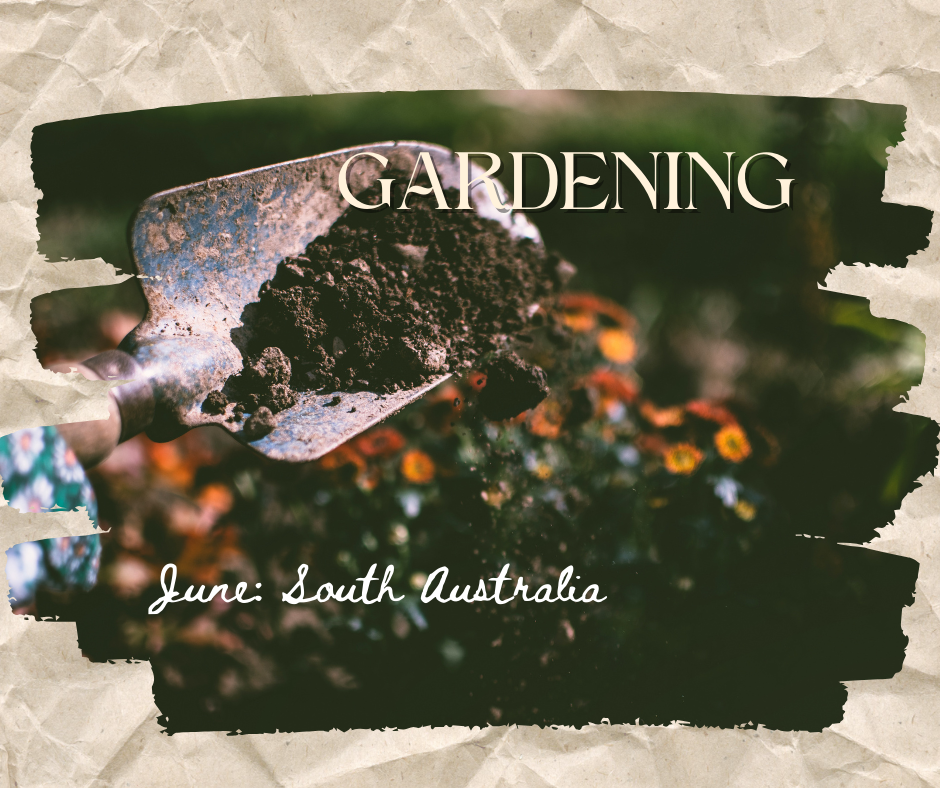
Title page for garening in june showing a spade digging in fertile soil

As winter sets in, South Australian gardeners can look forward to planting a variety of vegetables that thrive in cooler and wetter conditions. June is the perfect time to get your winter garden started, ensuring a bountiful harvest in the coming months. Here’s a guide to what you can plant in South Australia in June.

Leafy Greens

1. Lettuce

Varieties like cos, butterhead, and loose-leaf grow exceptionally well in cooler weather. These versatile greens can be harvested continuously, providing a fresh supply for your salads.

2. Spinach

Spinach thrives in the cooler temperatures of winter and can be harvested regularly for use in a variety of dishes.

3. Silverbeet (Swiss Chard)

This hardy green grows well in winter and offers a steady harvest of nutritious leaves.

4. Kale

Kale is frost-tolerant and perfect for winter planting. Its nutrient-rich leaves can be used in salads, soups, and smoothies.

Brassicas

1. Broccoli

Broccoli prefers cooler weather and will be ready for harvesting in a few months. It’s a nutritious addition to your winter garden.

2. Cabbage

Both red and green cabbage varieties thrive in winter conditions, forming dense heads perfect for salads and cooking.

3. Cauliflower

Cool temperatures are ideal for cauliflower, helping it form tight, white heads.

4. Brussels Sprouts

These take longer to mature but benefit greatly from the cool winter weather, developing a sweet flavor after frost exposure.

Root Vegetables

1. Carrots

Carrots should be sown directly into the soil. They develop well in the cool weather, producing sweet and crunchy roots.

2. Beetroot

Beetroot is another root vegetable that prefers cooler temperatures and can be harvested for its roots and leaves.

3. Turnips

Turnips grow quickly and can be harvested when young for tender roots.

4. Radishes

Radishes are fast-growing and ideal for intercropping with slower-growing vegetables, providing a quick harvest in winter.

Alliums

1. Garlic

Plant garlic cloves in well-drained soil for a harvest in spring. Garlic is a must-have for any kitchen garden.

2. Onions

Both brown and white onion varieties can be planted now for a spring harvest, adding flavor to countless dishes.

3. Leeks

Leeks can be planted as seedlings or young plants and will be ready for harvesting later in the year.

Legumes

1. Peas

Snow peas and garden peas do well in cooler temperatures and are great for fresh eating or cooking.

2. Broad Beans

Also known as fava beans, broad beans are hardy and thrive in cool weather, adding a nutritious and protein-rich option to your garden.

Herbs

1. Parsley

Both flat-leaf and curly parsley varieties grow well in winter, providing fresh flavor for your cooking.

2. Coriander

Coriander prefers the cooler weather of winter, preventing it from bolting and providing fresh leaves for your dishes.

3. Thyme

Thyme is a hardy herb that can be planted now, adding aromatic flavor to your winter meals.

Tips for Planting in June

  • Soil Preparation: Ensure your soil is well-drained and enriched with compost or well-rotted manure to provide essential nutrients for your plants.
  • Frost Protection: Use cloches or frost covers to protect young plants if frost is expected.
  • Watering: Regular, deep watering is essential, especially as rainfall may vary. Keep the soil consistently moist.
  • Mulching: Apply mulch to retain soil moisture and keep the soil temperature stable. Mulch also helps to suppress weeds.
  • Pests and Diseases: Keep an eye out for winter pests like snails and slugs, and use organic methods to control them. Regularly inspect your plants and take action at the first sign of trouble.

By choosing the right vegetables and taking care of your garden, you can enjoy a productive winter garden in South Australia. Happy gardening!

How does the Famers Lot work

25/02/2024
by Tristan Cook

We are marketplace, much like a traditional farmers market this means lots of farmers running their own stall selling their produce.

Farmers can sign up for a free 3 month trial (no plan fees for 3 months). Opening a shop is as easy as adding products, which is as simple as adding a picture, product description and price. We look after the hosting, site design and making sure it just works! After the 3 month trial plans start from less than $9 and If you link your stripe or paypal account then you will pay their fees on each transaction as well as the marketplace fee (from as a low low 1.5%).

Just like a farmers market customers can walk around the market and find lots of different products in one place, or they can look at one farmers stall and see just that garms products. Unlike a traditional farmers market you can also find all of the veggies, meat or livestock from all sellers in the one spot (by filtering by category).

Adding a product is as simple as selling on gumtree or ebay.We think we are the cheapest most featured option around, find better and we will beat it! Our features include

  • add and edit your store description, products as often as you like
  • add multiple pick-up points and delivery options e.g. pick up from your farm, or the weekend farmers markets.
  • if you add a pick-up point when customers order they will be provided with a google map with your contact details and exactly how to find you.
  • just by filling out a couple of questions you can add meta/seo data that google looks for, get ahead of the competition!
  • add tags that customers can filter by e.g. organic, chemical free, free-range etc
  • choose if your products are GST inclusive or GST free
  • manage orders and see sales history and graphs
  • communicate securely with customers and marketplace admin
  • run promotions e.g. discounts over a certain cart amount, voucher codes, product bundels and more
  • add your own content e.g. farming history, features page, tips and tricks
  • receive customer reviews.
  • we hae a fully featured search capability, you add your products, we make sure customers can find them. Find farm shops on our map, browse by category, add links to your favourite social media.

Register for our free trial, you have nothing to loose, if you don't sell anything you won't pay a cent.

Creating a ChatGPT Plugin

02/01/2024
by Tristan Cook
Creating a Chat GPT API

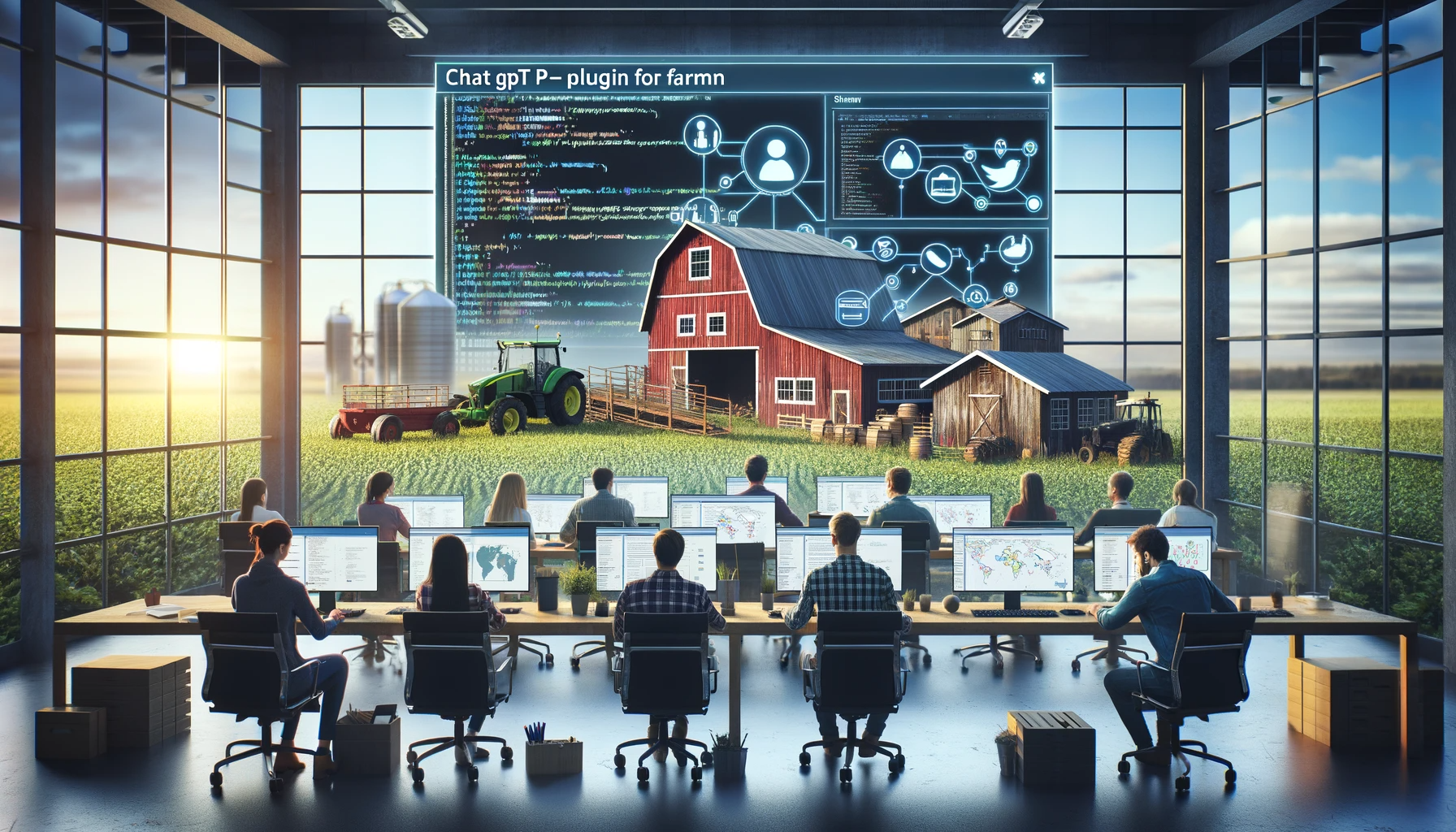
ChatGPT Plugin Development for farmers

Farmers are innovative, Australian Farmers invented the stump jump plough and barbed wire, farmers develop solutions with limited resources just out of necessity. Artifical Intelegence tools is not something farmers should ignore, and ChatGPT is perhaps the best known and most accessable AI tool available. A ChatGPT plugin intergrates ChatGPT with any number of applications, it can make you more productive and give you and edge. If you want to be a leader create your own plug-in. Not relevant to farmers? Think again, at The Farmers Lot we predict

  • add-ons that look provide more accurate weather forcasting leveraging data from the growing number of home weather stations,
  • add-ons that make recommendations based on feeding patterns, animal husbandry practices and herd data
  • autmated schedualling based on farm products, seasons and farm structure to name a few.

Creating a plugin for ChatGPT involves understanding and adhering to specific rules and best practices. These guidelines ensure that the plugin is functional, compliant with OpenAI's policies, and provides a seamless user experience. The below is an introductory guide to developing a plug-in.

Key Rules for ChatGPT Plugin Development

  1. Compliance with OpenAI Policies: All plugins must adhere to OpenAI's use-case policy, ensuring that they do not enable or promote prohibited content or activities.
  2. Security and Privacy: Plugins must be designed with robust security measures to protect user data and privacy.
  3. Performance and Scalability: Ensure that your plugin is optimized for performance and can scale efficiently without affecting the core functionality of ChatGPT.
  4. User Experience: The plugin should be user-friendly, with clear instructions and intuitive design.
  5. Error Handling: Implement comprehensive error handling to manage and report any issues that arise during the plugin's operation.

Best Practices for ChatGPT Plugin Development

  • Consistent Updates and Maintenance: Regularly update the plugin to fix bugs, improve features, and stay compatible with the latest version of ChatGPT.
  • Documentation: Provide detailed documentation for users and developers, including setup instructions, usage guidelines, and troubleshooting tips.
  • Community Feedback: Engage with the user community to gather feedback and suggestions for improvements.
  • Testing: Thoroughly test the plugin in various scenarios to ensure reliability and efficiency.
  • Accessibility: Design the plugin with accessibility in mind, ensuring it is usable by as wide an audience as possible.

Technical Considerations

When developing a ChatGPT plugin, it's important to consider the technical aspects such as API integration, data handling, and compatibility with different platforms. Ensure that your plugin adheres to the technical guidelines provided by OpenAI. 

The Chat GPT documentation provides guidance on intergrating with the Chat GPT API and developing a plugin and provides links to the Chat GPT Github repositries.

Conclusion

Developing a ChatGPT plugin requires a careful balance of technical proficiency, adherence to guidelines, and a focus on user experience. By following these rules and best practices, you can create a plugin that enhances the capabilities of ChatGPT and provides value to its users.

For more detailed information and specific technical guidelines, it's advisable to consult OpenAI's official documentation and developer resources.

Chicken keeping - laws and regulations

16/12/2023
by Tristan Cook
Chicken law

Livestock sold on the Farmers Lot is intended for primary production. Whilst laws vary from state to state in most states keeping more than 50 chickens is a commericial quantity and will require planning permission and a Property Identificiation Code. The keeping of chickens, whether for commercial or domestic purposes, is governed by various laws and regulations. These regulations are designed to ensure animal welfare, public health, and environmental protection. Here's a brief overview of considerations, please check the requirements in you local State:

1. Local Council Regulations

  • Permits and Zoning: Check with your local council for any specific permits or zoning regulations. Residential areas often have rules about the number of chickens allowed, rooster restrictions, and coop placement.
  • Noise and Nuisance: Noise, especially from roosters, can be a concern. Councils may have specific guidelines to address potential nuisance issues.
  • Health and Sanitation: Councils may set standards for coop cleanliness and waste management to prevent odors and pests.

2. Animal Welfare Legislation

  • Animal Welfare Act: Ensures the humane treatment of chickens, including adequate housing, feeding, and healthcare.
  • National Model Codes of Practice: Provides guidelines for the welfare of domestic poultry, covering aspects like space, nutrition, and handling.

3. Biosecurity and Disease Control

  • Biosecurity Regulations: Adherence to biosecurity measures is crucial to prevent disease spread. Registration of premises and regular health checks might be required.
  • Disease Reporting: Certain diseases are notifiable. Familiarize yourself with these and understand the procedure for reporting to the relevant authorities.

4. Environmental Protection

  • Waste Management: Proper disposal of poultry waste to avoid environmental contamination.
  • Water Quality: Ensuring that runoff from your poultry area does not contaminate local water sources.

5. Commercial Farming Regulations

  • Food Safety: If selling eggs or meat, comply with food safety regulations, including labeling and handling.
  • Business Licensing: May require a business license and adherence to additional commercial farming regulations.
  • Building Codes: Commercial operations often have stringent building codes for poultry housing.

6. Domestic Keeping

  • Number of Birds: Limits on the number of birds you can keep.
  • Roosters: Often prohibited in residential areas due to noise.

Tips for Compliance

  • Stay Informed: Regularly check for updates in local and state regulations.
  • Community Engagement: Engage with local poultry clubs or agricultural extension offices for advice and support.
  • Record Keeping: Maintain records of poultry health, purchases, and sales.

Resources

  • Primary Industries and Regions SA (PIRSA): Provides guidelines and information specific to South Australia.
  • Your Local Council: For local rules and permits.
  • RSPCA South Australia: For animal welfare information.

Conclusion

Compliance with these regulations is essential for the welfare of your chickens, the environment, and the community. It's also important for the sustainability and profitability of your poultry activities, whether it's a hobby or a commercial venture. Regular consultation with local authorities and staying abreast of any legislative changes are key to successful chicken keeping in South Australia.

Farm Household Allowance

27/11/2023
by Tristan Cook
About Farm Household Allowance, financial assistance for farmers

What is Farm Household Allowance?

The Farm Household Allowance (FHA) is an Australian government program designed to provide financial assistance to farmers and their families who are experiencing financial hardship. It's aimed at helping eligible farmers meet their basic household needs and cover essential expenses. 

  • If you qualify for $1 of jobseeker you get the equivlent of the full job seeker amount.
  • It includes the ability to access targted funding (activity supplement upto $10,000 in total), this can be used for a variety of things including obtaining proffessional advice and training e.g. Artificial Insemination.
  • The assets test is more generous  ($5.5m st the time of writing) 
  • There is no job seeking requirement (unless it is an agreed activity)
  • There is a seperate phone line with signficantly less waiting time than the job seeker line.

What are the eligibility requirements for Farm Household Allowance?

To get the Farm Household Allowance you must contribute significant labour and capital to a farm.:

  • be a farmer (or partner of a farmer)
  • have a farm that has the prospect of being profitable
  • meet the income and assets test limits
  • meet mutual obligation requirements,

The allowance is meant to provide temporary relief for up to four cumulative years, with the aim of assisting you to be financialy independent during this time.

Read more about who can get it on The Services Australia website

What are the mutual obligation requirements for Farm Household Allowance?

Whilst there are Mutual Obligation Requirements, what you need to do to keep your payment also is a little different from Jobseeker.

You will be assigned a case officer, generally you will meet with them every two to three months which may be over the phone with an occassional video or face to face meeting. During this meeting you agree 2 or more activities you will work on before the next meeting. You have a role in setting them and they will vary based on farm needs, e.g. complete a budget/cash flow, attend training, search for grants etc.

Other obligations include updating services Australia

Where can I find out more information and apply for the Farm Household Allowance?

If you want detailed information or want to apply you can apply online with services Australia through your mygov account or visit the Services Australia website.

Is there other farm related assistance?

We are going to research and provide information on other types of assistance over the next few weeks. Follow us on facebook or come back and check out our blog, over the next few weeks we will be providing information on other farm specific assistance.

Disclaimer

This is not financial advice and you will need to investigate your individual eligibility or suitability to your circumstances (or discuss with licensed financial advisor).It's important to note that eligibility criteria and program details may change, so it's advisable to check the latest information from relevant government sources. If you're a farmer facing financial challenges, it could be worthwhile to explore whether the Farm Household Allowance is a suitable option for support.

What is The Farmers Lot

15/06/2023
by Tristan Cook

Your Guide to "The Farmer's Lot", Australia Online Farmers Market

Food is a necessity, but where we choose to source it can make a big difference in our health, our communities, and our planet. Enter The Farmer's Lot, an innovative online farmers market where you can buy fresh produce, livestock, eggs, and meat right from the comfort of your own home. In this article, we will guide you on how you can shop locally from a farm near you and also contribute to expanding this platform by inviting more farmers.

Why Shop at The Farmer's Lot?

In a world where we're increasingly detached from the source of our food, The Farmer's Lot offers a refreshing connection back to our roots. Shopping at this online market means you're not only getting the freshest produce but also supporting local farmers and backyard gardeners. Buying from a farm near you reduces the carbon footprint of your food, encourages biodiversity, and strengthens your local economy. It's a win-win for everyone involved!

The more you buy from the farmers lot the more our platform will grow, cutting out the middle man and putting more money in farmers pockets.

How to Shop at The Farmer's Lot?

The beauty of The Farmer's Lot is its simplicity. Each farmer has a microstore where they list their products. Here's how you can make your purchase:

  1. Browse & Discover: The first step is to explore the platform. Each seller's microstore is filled with the fruits (and vegetables!) of their labor. Browse through the offerings and discover new varieties of produce, eggs, meat, and even livestock.
  2. Shop Local: Look for farms near you. By choosing local sellers, you can minimize your food's transportation distance, making your purchase even more sustainable.
  3. Place Your Order: Once you've made your selection, place your order directly through the platform. Shopping from different farmers? No problem! Your items will be consolidated into a single order for ease and convenience.
  4. Enjoy Fresh Delivery: After your order is placed, your fresh food will be delivered right to your doorstep. Enjoy the unparalleled taste and quality of farm-fresh goods!

Help Expand The Farmer's Lot Community

The Farmer's Lot is more than a marketplace; it's a community that thrives on participation. And you can help it grow! Know a farmer or a friend with a green thumb who sells their produce? Encourage them to set up their microstore on the platform. The more sellers we have, the greater the variety and availability of fresh, local goods.

By referring your friends who are farmers, you're not only helping them find a larger market for their products but also enabling more people to buy from a farm near them. This means healthier food choices and stronger local economies — a beautiful cycle of growth and sustainability.

Conclusion

The Farmer's Lot is revolutionizing the way we buy our food. By providing a platform for local farmers and gardeners to sell their produce, it's enabling us to make healthier, more sustainable choices. So, next time you need to restock your fridge, give The Farmer's Lot a try. And remember, every time you refer a farmer to the platform, you're contributing to a more sustainable and community-driven food system. Shop fresh, shop local, and help grow The Farmer's Lot community. Your taste buds, your community, and your planet will thank you!

Goat farming in Australia

28/04/2023
by Tristan Cook

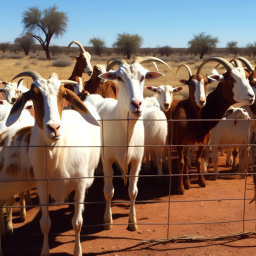
Goat farming in Australia is a growing market. There are a number of commercial breeds, such as Boer, Australian Cashmere, Anglo-Nubian, Saanen, and Toggenburg goats. Each breed has its advantages and disadvantages depending on their purpose and adaptability. 

The demand for goat products in Australia has been growing, with goat meat, milk, dairy products, and fibers such as cashmere and mohair being the primary products. Australia is a leading exporter of goat meat, while the domestic market for goat milk products is also expanding due to perceived health benefits and a growing interest in artisanal and specialty food products.

Between 2010 and 2020, the value of goat products exported from Australia has been on an upward trend, with goat meat being the primary export. The growth in exports can be attributed to the increasing global demand for goat meat, especially from countries with large ethnic populations that consume goat meat as part of their traditional diet. Key export markets for Australian goat products include the United States, China, and countries in Southeast Asia and the Middle East.

Some of the most popular goat breeds in Australia are:

Boer Goat 

Advantages:

  • Fast growth rate and excellent meat quality.
  • High fertility and adaptability to various climates.
  • Good mothering abilities and high resistance to diseases. 

Disadvantages:

  • Not suitable for milk production.
  • May require more feed than other breeds.

Australian Cashmere Goat 

Advantages:

  • Produces high-quality cashmere fiber.
  • Adaptable to harsh climates and can survive on low-quality feed.
  • Hardy and resistant to parasites. 

Disadvantages:

  • Lower meat production compared to Boer goats.
  • Fiber harvesting requires additional labor and expertise.

Anglo-Nubian Goat 

Advantages:

  • Dual-purpose breed known for both milk and meat production.
  • High milk fat content, ideal for cheese making.
  • Tolerant of hot climates and adaptable to different environments. 

Disadvantages:

  • Lower milk yield compared to other dairy breeds.
  • Longer ears may be prone to frostbite in colder climates.

Saanen Goat 

Advantages:

  • High milk yield and good-quality milk.
  • Adaptable to various climates and environments.
  • Docile and easy to handle. 

Disadvantages:

  • Lower meat production compared to other breeds.

Toggenburg Goat 

Advantages:

  • Consistent milk producers with good-quality milk.
  • Adaptable to various climates, including cooler temperatures.
  • Hardy and disease-resistant. 

Disadvantages:

  • Lower milk fat content compared to other dairy breeds.
  • Smaller size may result in lower meat production.

When starting a goat farm, it is crucial to be aware of regulations related to land use and zoning, livestock identification and registration, animal welfare, biosecurity, environmental protection, food safety, export and import regulations, and labor and employment laws. Goat farming success depends on knowledge, experience, planning, marketing, breeding and genetic selection, health management, nutrition, and infrastructure. 

Several factors can contribute to the failure of a goat farm, including:

  1. Lack of Knowledge and Experience: Goat farming requires a good understanding of goat breeds, their nutritional and health requirements, and overall management. Inadequate knowledge or experience in managing goats can lead to poor animal health, low productivity, and ultimately, farm failure.
  2. Poor Planning and Financial Management: A successful goat farm requires proper planning and budgeting. Inadequate planning, unrealistic expectations, and poor financial management can result in cash flow problems, making it difficult to meet expenses and invest in the growth of the farm.
  3. Ineffective Marketing: Failing to develop and implement a marketing strategy can limit the farm's ability to sell its products at a fair price, affecting its profitability. Building relationships with local buyers, targeting niche markets, and promoting the benefits of goat products can help create demand and ensure a consistent income.
  4. Poor Breeding and Genetic Selection: Choosing the wrong breed or failing to implement a selective breeding program can result in a herd with low productivity and poor adaptability to local conditions. Successful goat farms invest in quality breeding stock and focus on improving their herd's genetics.
  5. Neglecting Health and Biosecurity: Poor animal health management and inadequate biosecurity measures can lead to disease outbreaks, which can be costly and devastating to a goat farm. Regular health checks, vaccinations, and proper biosecurity practices are crucial to maintaining a healthy herd.
  6. Inadequate Nutrition and Feed Management: Failing to provide goats with proper nutrition can lead to poor growth, low milk production, and increased susceptibility to diseases. Understanding the nutritional needs of goats and implementing a cost-effective feeding program is essential for a successful goat farm.
  7. Insufficient Infrastructure and Facilities: Inadequate housing, fencing, and facilities can result in increased labor costs, reduced productivity, and increased stress on the animals. Investing in proper infrastructure can help ensure the welfare of the animals and improve the farm's efficiency.

Regulations vary from state to state and largely mirror that requirements for any livestock farming in Australia. Briefly some areas to consider are.

  1. Livestock Identification and Registration: Througout Australia, goat farmers are required to register their goats and obtain a Property Identification Code (PIC) and record movements in the NLIS. This helps track and trace animals for disease control and biosecurity purposes.
  2. Animal Welfare: You must follow animal welfare guidelines and codes of practice, which cover aspects such as housing, nutrition, health care, and humane handling of goats. These regulations aim to ensure the well-being of the animals and prevent unnecessary suffering. Transport and processing of goats are important areas to pay attention to and larger processors may be targeted by activists.
  3. Environmental Protection: You must follow regulations related to waste management, water use, and land management to minimize the environmental impact of your goat farming operation. This can include proper manure and waste disposal, erosion control, and responsible use of resources.
  4. Food Safety: If you are producing goat milk or dairy products, you must comply with food safety regulations and standards to ensure that your products are safe for consumption. This can include regular testing of milk quality, maintaining hygienic facilities, and following proper procedures for processing and packaging.

Some of the primary goat products in demand are:

  1. Goat Meat: Australia is one of the largest exporters of goat meat in the world, with a significant portion of the production destined for international markets. Demand for goat meat has been increasing, both domestically and internationally, driven by the growth in ethnic populations, health-conscious consumers, and those looking for alternative protein sources. Goat meat is lean, low in fat, and high in protein, which makes it an attractive option for health-conscious consumers.
  2. Goat Milk and Dairy Products: There has been a steady growth in demand for goat milk and goat milk products in Australia, such as cheese, yogurt, and ice cream. This can be attributed to the perceived health benefits of goat milk, its suitability for people with cow milk allergies or lactose intolerance, and the growing interest in artisanal and specialty food products.
  3. Goat Fiber: The market for goat fiber, such as cashmere and mohair, is niche in Australia but has potential for growth. There is a small but growing demand for luxury and eco-friendly clothing items made from natural fibers like cashmere and mohair. Australian Cashmere goats produce high-quality cashmere, and Angora goats produce mohair, both of which can be utilized in the fashion and textile industries.
  4. Live Goats: There is a demand for live goats for various purposes, including breeding stock, weed control, and as pets. Boer goats, in particular, are popular for their fast growth and meat production traits, making them sought after as breeding stock.

In conclusion, goat farming in Australia offers a promising opportunity for growth, with increasing demand for various goat products such as meat, milk, dairy products, and fibers. By selecting the right breed and properly managing factors such as health, nutrition, and infrastructure, goat farmers can build a successful and sustainable business. It is essential to stay up-to-date with local regulations, continuously improve farming practices, and adapt to market trends to ensure the long-term success of a goat farm. With a focus on quality, welfare, and environmental sustainability, Australian goat farmers can continue to cater to both domestic and international markets, contributing to the country's thriving agricultural industry.

An introduction to Highland Cattle

20/04/2023
by Tristan Cook

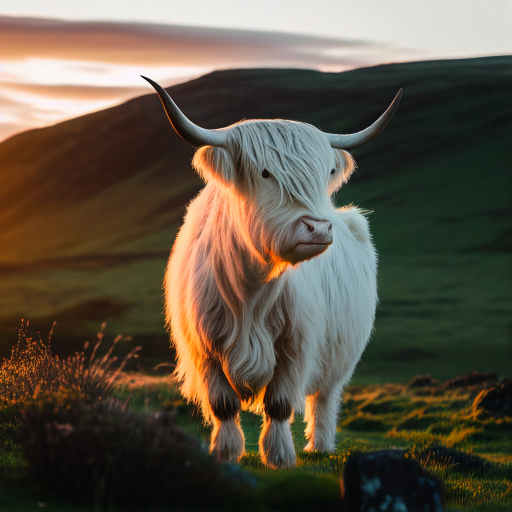
Highland cattle, also known as "Highlanders," or "Coo's" are a unique and hardy breed of cattle that have been around for centuries. Here's a about Highlanders:

Where did they come from? 

Highland cattle are originally from Scotland, where they have been roaming the rugged hills and moors for hundreds of years. They have been specifically bred to survive in harsh climates and rugged terrain, making them well-suited to life in the Scottish highlands.

When did they come to Australia? 

Highland cattle were first introduced to Australia in the early 19th century. They quickly proved to be well-suited to the harsh Australian climate and have been used extensively in the beef industry ever since.

What are desirable characteristics in Highland cattle? 

Highland cattle are known for their hardiness, adaptability, and longevity. They are also known for their long hair and distinctive horns, which can reach up to 2 feet in length. They are also known for their docile temperament and good mothering abilities.

What is their nature like? 

Highland cattle are known for being docile, friendly and easy to handle. They are also very hardy and can survive in harsh conditions, making them an ideal choice for farmers in Australia.

Where can they be registered? 

Highland cattle can be registered with the Highland Cattle Society of Australia. The society was established in 1987 and aims to promote the breeding and showing of Highland cattle in Australia.

What is their average size and weight? 

Highland cattle are known for being a large breed. Bulls can weigh up to 1,200 kg and cows can weigh up to 800 kg. Highlanders can reach a height of about 1.4m at the shoulder.

What colours do they come in? 

Highland cattle are often associated with a red/orange colour, but they actually come in a variety of colours, including black, brindle, red, yellow, and white. Dr Glen Hastie has done some excellent work on the genetics of highland cattle colours and it is my goto resource.

Caring for highland cattle

Highland cattle are a hardy however they may be inflected with any issue impacting cattle generally, whillst you may never face any of these issues we thought it helpful to cover some of the more common concerns.

Bloat: is a buildup of gas in the rumen. This can cause discomfort and even become life-threatening if not treated promptly. Some grains in particular oats may contribute to bloat, however it is a great feed if introduced slowley, however being off for even one day may require you to introduce the feed progressively again.

Internal parasites: Like all cattle, Highlands can be affected by internal parasites such as worms and liver flukes. Regular deworming and pasture management can help prevent this issue. 

Eye problems: Pink-eye is well known in cattle and can come from dirt or other contamenation. Highland cattle's long hair can sometimes cause eye problems, such as irritation or infection. Trimming the hair around the eyes and ensuring the animals have access to clean, dry environments can help prevent this issue. 

Joint issues: Although they are generally a healthy breed, some Highland cattle may be prone to joint issues such as hip dysplasia, particularly as they age. e. Fertility issues: Some Highland cattle may experience lower fertility rates, which can be addressed through proper nutrition and breeding management.

Hooves: Keep an eye on your cattle hooves, if you leave it to long it may be to late to correct if the claws are crossing over (once the blood supply grows in). A yearly inspection and trim can be helpful. Foreign objects can damage the hoof and once damaged a wet environment can lead to infection.

By being aware of these potential issues, owners can take steps to prevent them and provide their Highland cattle with the best possible care. Regular veterinary check-ups and good management practices are essential to maintaining the health and well-being of any cattle breed, including Highland cattle.


Summary

Here at the Farmers Lot, we want you to be informed buyers and sellers of Highland cattle and their products. You can buy and sell Highland cattle on The Farmers Lot, subject to complying with national, state and local regulations and bylaws. Highland cattle are a great option for farmers looking for a hardy and adaptable breed of cattle that can thrive in harsh conditions. With their distinctive long hair, horns, and docile temperament, they are a unique and eye-catching addition to any farm. If you're interested in adding Highland cattle to your herd, be sure to check out The Farmers Lot for your next purchase.

Growing Mushrooms

29/03/2023
by cs-cart helpdesk

I love mushrooms and whilst the conditions are important, once you have the right environment they don't require as much care as a lot of other vegetables.

Before we get into how to grow mushrooms I should say that you must know what you are growing, whilst it is possible to collect spores from mushrooms in the field (see below) Many mushrooms are poisoness, for instance you certainly wouldn't want to be eating anything that looked like my blog picture.

Growing mushrooms requires a dark humid environment and not many places will be suitable year round without some modification. Insulated roof spaces or under house crawl spaces are options that can be made suitable.

Growing mushrooms requires a specific set of conditions such as temperature, humidity, and medium. The ideal temperature for most mushrooms is between 13-27°C (55-80°F) while the ideal humidity is around 85%. A good medium for growing mushrooms typically contains a mixture of materials such as straw, sawdust, or compost, depending on the type of mushroom. A bad medium can contain mold or bacteria which can negatively impact the growth of the mushrooms.

Humidity does impact growing rates as mushrooms require high humidity to fruit. However, higher humidity also increases the risk of disease, so proper ventilation and sanitation are important.

Mushrooms can be grown in a variety of locations around a typical home such as a basement, garage, or even a closet with the proper conditions. Spores can be harvested by carefully removing the mushroom cap and collecting the spores that fall on a piece of paper or glass slide.

The basic steps to grow mushrooms are the same for most types of mushrooms:

  • Purchase spawn (mushroom spores) from a reputable supplier
  • Sterilize a growing medium, such as straw or compost
  • Mix the spawn with the growing medium
  • Place the mixture in a tray or container
  • Harvest the mushrooms once they reach maturity
  • Keep humidity around 85

Tempreature in particular can vary e.g. 

  • Button mushrooms: keep the mixture at a temperature of 13-15°C (55-60°F)
  • Oyster mushrooms: Keep the mixture at a temperature of 15-21°C (60-70°F) 
  • Shataki mushrooms: Keep the mixture at a temperature of 21-27°C (70-80°F)

Please note that these are general instructions and you may want to look for more specific instructions for the type of mushroom you are growing.

Collecting mushroom spores

Collecting spores from a mushroom is a simple process that can be done at home. Here are the steps to follow:

  1. Choose a mature mushroom: Look for a mature mushroom with a cap that has opened up and is shedding spores.
  2. Place the mushroom: Place the mushroom on a piece of paper or glass surface with the cap facing down. A glass surface is preferred as it will allow you to see the spores more clearly.
  3. Cover the mushroom: Cover the mushroom with a glass or bowl to create a small, enclosed space. This will help prevent airflow from disturbing the spores.
  4. Wait: Leave the mushroom undisturbed for several hours or overnight. During this time, the mushroom will release its spores onto the paper or glass surface.
  5. Collect the spores: After waiting, carefully remove the glass or bowl from the mushroom. You should see a fine layer of spores on the paper or glass surface. Use a clean, dry paintbrush or cotton swab to gently collect the spores.
  6. Store the spores: Transfer the spores to a clean, dry container for storage. A small glass jar with a tight-fitting lid works well for this purpose.

Remember that collecting spores from mushrooms can be a fun and rewarding experience, but it is important to exercise caution when handling mushrooms. Some mushrooms can be toxic, so be sure to identify your mushroom before collecting spores.


Property Identification Code

20/03/2023
by Tristan Cook

In Australia owners of certain livestock, horses and poultry are required to have a Property Identification Code (PIC) for their land. The PIC is a unique identifier that is assigned to a specific property and is used to identify the land and livestock that is or has been kept there. 

A PIC may apply to a single parcel of land or multiple titles (when the land is adjoining). For certain livestock e.g. cattle, sheep, goats and pigs you will also require a National Livestock Information System (NLIS) account to record movement of stock on and off your proprty. These livestock will also require transportation documentation to accompany them during movement. The current (and recieving) owners PIC will be recorded in the database and on the movement documentation.

Depending on the type of livestock you will attach a tag with either your PIC and/or an individual number on it.

It is a requirement under the Livestock Production Assurance (LPA) program that producers use the NLIS. The LPA is a national animal welfare and food safety program for red meat and the livestock industry). 

Below we explain a little more, but for those who want to cut to the chase

A starters guide to chickens

14/03/2023
by Tristan Cook

Introduction

Owning chickens, for fun or profit can be very rewarding. Chickens will consume scraps, provide fertilizer and give you a ready source of eggs. If you love your chickens they will love you back. But none of this comes without a little effort. You need of course to keep the fed, sheltered and healthy, there are some health things to look out for that are unique to chickens (or other birds) and if you are in an urban area you may not be able to keep chickens (roosters in particular). In this article we look at this and more.

Can you keep chickens?

This is not something we can answer for everyone, regulations from council to council are highly vairable. In most states of Australia even small scale chicken farming is considered as intensive farming and planning approval is likely to be required. The rules around a few chickens for domestic purposes are more flexible, but councils (particularly in urban areas) will likely limit the number of chickens allowed and may not allow any roosters at all.

Which breed?

There is a large number of breeds, and this is an indivdual choice. The character and characteristics are highly vairable across breeds e.g. 

  • Silkies and Frizzle chickens are popular chickens with unique plumage, they are neither great layers or known for their meat. Silkies are great brooders though and can be used to hatch eggs for other breeds that become broody less. 
  • Popular meat breeds in Australia include Plymouth Rock, Rhode Island Red and Sussex. 
  • Some popular egg layers are Leghorn, Plymouth Rock and Rhode Island Red. 
  • Isa Brown is a breed developed specifically for commercial egg farmers, typically their best productive period is about 6 to 18 months. Any good plan should consider how and when chickens will be retired.
  • I am a fan of the golden and silver wyndottes which, to my mind at least fit in all of the categories, though whilst they have a reasonble egg production you wouldn't pick them for a commrecial farm.

Housing chickens

When it comes to housing and husbandry requirements, chickens need a secure and protected area to live in, such as a coop or a pen. They also need access to fresh water and food at all times, and a clean and dry environment to prevent diseases.

Protection from foxes is a must in Australia, this means regularly locking them up at night (as a bare minimum). Don't get to complacent, you might be lucky enough to go weeks without locking them up, but losses in a single night can be devestating. It is also a good idea to vary your routine and be out and around your chickens from time to time, foxes will learn routines and attack in broad day-light or just before you would normally lock them up.

When designing your chicken home/shed/cages remember foxes will certainly dig and may even jump or climb into your chicken yard. Attack from birds of prey are also not unheard of.

It is a good idea to provide roosts of various size and don't forget a spot to lay eggs, if you don't provide an attractive spot and they are allowed to free-range they will find somewhere ... and you may never know where that is. In particular the ideal spot will provide a degree of privacy and some soft nesting material, hay will suffice (and will need changing from time to time). 

Can I sell eggs, chickens and meat? 

In terms of regulatory requirements, selling eggs for human consumption in Australia is regulated by  various government bodies and you will likely need to become certified to sell even small quantities. Accredition will require you to show how the eggs will be collected, stored, and transported under hygienic conditions. You will need to include measures to ensure eggs are of a consumable quality (shells must be clean, free from cracks and can't be fertilized if for consumption). Even where you are not selling eggs you should give consideration to these factors before you consume the eggs.

Chicken farmers should be aware of the regulations regarding the transportation and sale of live chickens. The transportation of live chickens must comply with the Animal Welfare (Transport of Livestock) Standards and Guidelines, which outline the requirements for the welfare of animals during transport.

The slaughter, processing and retailing of chicken meat are also of course regulated.

Where can I buy/sell and chickens (and chicken products)?

The Farmers Lot allows you to buy and sell fresh eggs, fertilized eggs, chicks, chickens and processed chicken meat (subject to complying with national, state and local regulations and bylaws) which is perfect for small scale chicken farmers who want to sell their products locally. We don't have any farmers selling any of this yet so this your chance to get a store and make your mark!

There are a number of pages of facebook where you can find local contacts (though selling livestock isn't without issue here). Gumtree is also an option for chickens. Your local fodder store may sell chickens, or know where some locals are and are often a great source of advice (and chicken feed of course).

Selling processed chicken meat requires compliance with food safety regulations, including the Food Standards Code. This includes requirements for the handling, storage, and labeling of meat products.

Other considerations

Aside from the regulations, it is important for small scale chicken farmers to have a good understanding of chicken nutrition and husbandry. This includes knowledge of feed and water requirements, as well as the proper care and management of chickens. A good understanding of poultry health and disease prevention is also essential.

Commercial feeds are readily available and will contain a good balance (chickens need more than grain alone). Allowing your chickens out to forrage will reduce your costs, reduce bugs and improve the taste of your eggs. Even free range chickens will need an available supply of shell grit (or you risk thin shells that easily break) and potentially other supplements.

Clean fresh water is critical, it should be kept cool on hot days (possibly add a frozen bottle of water) as if the water is hot they will reduce their consumption (or not drink at all) and this will impact the health and production of your chickens.

A word on health

Health and treatments deservers an article of it's own and is beyond the scope of this post. I will say that  Mites and worms are issues most chicken farmers will come across. Daily monitoring of your flock is important and will help you spot changes in behaviour that might suggest health issues. Significant loss of feathers (all chickens molt to some degree), deformed feathers or patches of missing feathers will also point to health concerns.

Summary

In summary, small scale chicken farming in Australia requires council approval, compliance with various regulations and a good understanding of chicken nutrition, husbandry, and health. The Farmers Lot is a great platform for small scale chicken farmers to sell their products locally.

This summary is pretty brief, we hope it wet your appertite, if it has we recommend you do more research before jumping in. Please add your experience in the comments below, what is your faviourate breed?

A childrens introduction to pig farming

01/03/2023
by Tristan Cook

Becoming a pig farmer can be a fun and rewarding experience, and it's a great way to learn about where your food comes from and how it's raised. 

Some reasons you might want to be a pig farmer:

  • Pigs are fun animals to take care of and watch grow.
  • As a pig farmer, you'll learn about how pigs are raised and how to care for them.
  • Pig farming can be a great way to spend time outdoors.
  • Pigs can provide different types of meat for you and your family to enjoy, such as bacon, ham, pork chops, and sausages.
  • Competition pig farming is fun and can be a great way to meat other farmers.

What meats come from a pig:

  • Pork is meat that comesfrom a pig. Different cuts of pork come from different parts of the pig, such as the loin, the shoulder, and the belly.
  • Ham and bacon are also products that come from a pig. Ham is a cut of meat that comes from the hind leg of the pig, while bacon is a cured meat product that comes from the belly of the pig.

Competition Pig Showing:

  • Pig showing is when pig farmers bring their pigs to a competition to be judged on things like size, muscle, and overall appearance.
  • Pig showing is a great way to learn about different breeds of pigs and to see how your pigs compare to others.
  • Pig showing can be a fun and exciting way to spend time with other pig farmers and pig enthusiasts.

To become a pig farmer, you'll need to learn about how to care for pigs, what to feed them, and how to keep them healthy. You can start by visiting a pig farm and talking to the farmer, or by joining a club or other youth organization that focuses on farming.

You'll also need to learn about the different breeds of pigs, such as Hampshire, Yorkshire and Duroc, and what makes each one unique. You'll learn about their body shape, color and size. Commonly across the breeds pigs are known for their hardiness and adaptability.

  • Sows typically weighing around 600-700 pounds and boars around 800-900 pounds.
  • Each are known for their high meat yield, good quality meat and high growth rate.
  • These established breeds are known for their good mothering abilities and high fertility.

Remember, pig farming is a big responsibility and it takes a lot of hard work and dedication. But with the right knowledge and training, you can become a successful pig farmer and enjoy the many rewards that come with it.

A history of Australian Sheep Farming

03/02/2023
by Tristan Cook

Sheep farming in Australia has a rich history that spans over 200 years. It all began in 1788 when the First Fleet of convicts arrived in Sydney, bringing with them a small flock of sheep. These sheep were used primarily for food and clothing, but their numbers quickly grew as more ships arrived with more sheep on board.

In the early days of sheep farming in Australia, the focus was on wool production. The harsh Australian climate and rugged terrain made it difficult to grow crops, so sheep were seen as a viable alternative. The wool industry quickly took off, and by the 1820s, Australia was exporting wool to Britain and other parts of the world.

In the 1850s, a new breed of sheep called the Merino was introduced to Australia. The introduction of Merino sheep to Australia is credited to Captain John MacArthur, a British army officer and wool pioneer. John MacArthur established an agricultural property in New South Wales, Australia, where he raised Merino sheep and cultivated crops. His farm played a crucial role in the development of the wool industry in Australia.

The Merino was well-suited to the Australian climate and produced high-quality wool. This led to an increase in wool production and a boom in the sheep farming industry. By the late 1800s, Australia was the world's leading wool producer, with over 70 million sheep.

The highest recorded price for a single Merino sheep was AUD$1 million (approximately USD$750,000). It was sold by the breeder and woolgrower, Ian Jones, at an auction in New South Wales, Australia in 2018. The buyer of the sheep was not publicly disclosed.

During the early 1900s, sheep farming in Australia underwent significant changes. The use of new technologies, such as mechanical shearing and improved breeding techniques, increased efficiency and productivity. Additionally, the introduction of refrigeration allowed for the export of frozen lamb and mutton to other countries.

This technology greatly increased production. The world record for shearing a sheep is held by Australian shearer Ivan Scott, who sheared 899 lambs in 9 hours and 40 minutes, or an average of 94 lambs per hour, on February 6, 2004. This record was achieved in New Zealand and still stands as the fastest time for shearing a sheep. The skill and speed required for this feat have made it a popular competition in countries with a strong wool industry, such as Australia and New Zealand.

The sheep farming industry faced a major setback during the Great Depression of the 1930s. The demand for wool and lamb dropped, and many farmers were forced to sell their sheep at low prices. Many farmers were forced to leave the industry, and sheep numbers dropped to around 60 million.

After World War II, the sheep farming industry began to recover. The demand for wool and lamb increased, and new markets were opened up in Asia and Europe. The industry also started to diversify, with farmers starting to produce other products such as cheese and lamb meat.

In the 1960s and 1970s, the industry faced another challenge in the form of changing consumer preferences. Increasing demand for beef and decreasing demand for lamb and wool led to a decline in sheep numbers. However, the industry adapted by focusing on producing high-quality, premium cuts of lamb and wool, which helped to maintain profitability.

In more recent times, the sheep farming industry in Australia has faced a number of challenges, including drought, disease, and competition from other industries. Despite these challenges, the industry has remained resilient and continues to be an important part of the Australian economy.

In terms of sheep numbers, Australia is currently the fifth-largest sheep-producing country in the world, with a flock of around 77 million sheep. The industry continues to be a major contributor to the economy, with exports of wool, lamb, and other sheep-derived products worth billions of dollars each year.

Some of the largest players in the industry include.

  1. Australian Agricultural Company (AACo) - one of the largest beef and sheep producers in Australia, with properties covering over 6.3 million hectares.
  2. Kilcoy Pastoral Company - a Queensland-based company that operates multiple properties and is one of the largest sheep and cattle producers in Australia.
  3. Elders Limited - an agribusiness company that operates a significant sheep and wool division, with multiple properties throughout Australia.
  4. Consolidated Pastoral Company - an Australian company that operates large-scale cattle and sheep stations in northern Australia.

Whilst these are some of the largest sheep farming operations in Australia, there are many others as well. It's worth noting that the size of these operations can change quickly and that this list may not be exhaustive or up-to-date.

AACo is the operator of Auctions Plus, one (if not the) largest online livestock traders. They provide a platform for livestock producers to buy and sell sheep, cattle, goats. They also deal in fodder, machinery and clearing sales. The platform allows for auctions conducted in real-time. 

The Farmers Lot offers a different approach, we are a far cheaper alternative and we offer additional features including the option of a permanent storefront that allows you to sell a wide product range under one banner. You can publish and edit your adds at your whim and there is extensive personalisation. If you have skills (shearing, fencing, cropping etc) or sell livestock, produce (fresh meat, fruit & Veg, fodder, grains etc) or even farming equipment and consumables you can sell it on The Farmers Lot.

To be fair Auctions Plus has a number of features we don't currently offer including requiring independent assessment of livestock before listing and requiring the use of a licenced livestock agents to represent you in sales. Auction Plus use a templated advertisment detailing various livestock metrics which may be attractive to some, though offers less autonomy than the Farmers Lot, and of course as their name suggests they facilitate auctions.

In conclusion, sheep farming in Australia has a long and rich history, dating back to the arrival of the First Fleet in 1788. Over the centuries, the industry has faced many challenges, but has adapted and evolved to remain an important part of the Australian economy. Today, the industry continues to play a vital role in the country's economy, providing jobs and income for many rural communities and contributing to the export industry.

Starting an Organic vegetable garden in Australia

27/01/2023
by Tristan Cook

Starting an organic vegetable garden in Australia can be a rewarding and sustainable way to grow your own fresh produce. However, before you begin, it is important to understand the requirements and tips for success.

First, it is essential to choose the right location for your garden. Look for a spot that gets at least 6 hours of sunlight a day and has well-draining soil. It's also important to consider the climate and weather patterns specific to your state. For example, in the arid regions of Western Australia, it may be necessary to install irrigation systems to ensure your plants receive enough water. In tropical Northern Queensland, you may need to provide extra shade for your plants during the hottest parts of the day.

Next, it is important to prepare the soil before planting. Organic gardening methods prioritize the use of natural products and processes, so it's essential to use organic soil amendments, such as compost or well-aged manure, to improve the soil's fertility. Additionally, it's important to make sure the soil is free of any synthetic pesticides or fertilizers before planting. If you are looking to be certified organic you will be required not to use any for three years before certification will be granted.

When it comes to pest control, organic gardening relies on natural methods such as companion planting, using beneficial insects, and handpicking pests. Companion planting involves planting certain species of plants next to each other to deter pests and promote healthy growth. Beneficial insects, such as ladybugs and lacewings, can be introduced to your garden to help control pests.

To claim your product is organic under Australian consumer legislation, it must be certified by an accredited certifying body such as Australian Certified Organic or Biological Farmers of Australia. The certification process involves an on-site inspection to ensure that the standards of organic production are met.

We all know Australia is a big place and some things will be more important to your success than in other states, e.g. in Victoria, it's important to be aware of the risk of soil-borne diseases such as tomato potato psyllid, and to use crop rotation to reduce the risk of disease. In every State it's recommended to choose varieties of vegetables that are well suited to the local climate, heat-tolerant tomatoes or drought-resistant cucumbers may be more important in Adelaide and Sydney than in Brisbane for example.

Starting an organic vegetable garden in Australia can be a fulfilling and sustainable way to grow your own fresh produce. By considering the location, preparing the soil, using natural pest control methods, and obtaining the necessary certification, you can successfully start an organic vegetable garden and enjoy the taste of fresh, organic produce.

Another important aspect of organic gardening is seed selection. Organic seeds are grown without the use of synthetic pesticides or fertilizers and are often non-GMO. They can be purchased from seed companies that specialize in organic seed production. In addition, many seed companies offer a wide range of varieties that are well-suited to specific climates or growing conditions, so it's important to research the best options for your area.

When it comes to planting and maintaining your organic vegetable garden, there are a few key principles to keep in mind. Firstly, it's important to plant your vegetables at the right time of year, taking into account factors such as the average last frost date and the length of the growing season. This will help ensure that your plants have the best chance of success.

Secondly, it's essential to keep your plants well-watered and fertilized. Organic gardening methods rely on natural products such as compost and well-aged manure to provide essential nutrients to your plants. Additionally, it's important to use mulch to help retain moisture in the soil and keep weeds at bay.

Finally, it's essential to be mindful of pests and diseases and take action if necessary. This may include using natural pest control methods such as companion planting or releasing beneficial insects, or using organic pesticides if necessary.

In summary, starting an organic vegetable garden in Australia requires careful planning and attention to detail. By considering factors such as location, soil preparation, seed selection, and pest and disease control, you can successfully grow fresh, organic produce in any state of Australia. It's also important to obtain the necessary certification to claim your product as organic under Australian consumer legislation.

Everything you need to know about worm farms

20/01/2023
by Tristan Cook

A worm farm is a system that utilizes worms to break down organic waste into a nutrient-rich soil amendment called vermicompost. Here's everything you need to know about worm farms: